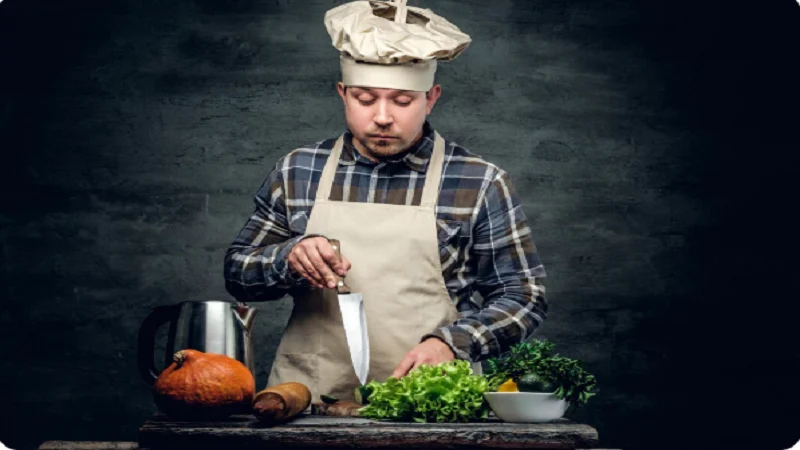
Cooking new dishes can feel intimidating, especially when the recipe comes from a different culture or uses unfamiliar techniques. Many people wonder whether certain traditional dishes are difficult to prepare at home. One question that occasionally arises among curious home cooks is: is fojatosgarto hard to cook?
The answer depends on a few factors, including your cooking experience, the ingredients available to you, and how comfortable you are with learning new recipes. However, in most cases, preparing this dish is much easier than people expect. With the right approach and a bit of patience, almost anyone can cook it successfully.
This article will explain what the dish is like, the level of difficulty involved, the ingredients typically used, and simple tips to help beginners prepare it confidently.
Understanding the Dish
Before discussing difficulty, it helps to understand what the dish actually involves. Fojatosgarto is generally described as a home-style meal built around simple ingredients and straightforward cooking methods. Like many traditional foods, it relies more on proper preparation and timing than on complicated culinary techniques.
Most versions of the dish combine basic components such as vegetables, grains, herbs, and sometimes meat or legumes. The flavors often develop through slow cooking or careful seasoning rather than through complex steps.
Because of this, the dish is often considered approachable for home cooks who are willing to follow instructions and pay attention to details.
Is Fojatosgarto Hard to Cook for Beginners?
Many beginners ask whether the preparation process is complicated. When evaluating whether is fojatosgarto hard to cook, the most important factor is the recipe you follow. Some versions are very simple, while others include additional steps that may require more time.
For most people, the dish falls into the “moderate” difficulty category. This means that while it is not as simple as boiling pasta or frying eggs, it also does not require advanced culinary skills.
Beginners usually succeed with the recipe if they:
-
Measure ingredients carefully
-
Prepare all ingredients before cooking
-
Follow cooking times closely
-
Taste and adjust seasoning gradually
These basic habits can make a big difference when preparing any new dish.
Common Ingredients Used
One reason many home cooks enjoy preparing this dish is that the ingredients are typically easy to find. While recipes can vary, most versions include a mix of staple foods and fresh components.
Typical ingredients may include:
-
Fresh vegetables such as onions, garlic, or peppers
-
A base ingredient like rice, grains, or potatoes
-
Herbs and spices for flavor
-
Oil or butter for cooking
-
Optional protein such as chicken, beans, or lentils
The flexibility of ingredients allows cooks to adapt the dish according to what they already have in their kitchen.
Basic Cooking Process
The preparation process usually follows a few simple stages. While exact steps depend on the recipe, the general method remains similar across different variations.
1. Preparing the Ingredients
The first step is washing, peeling, and chopping the ingredients. This stage often takes the most time, especially for beginners who are still learning knife skills.
Preparing everything before turning on the stove helps make the cooking process smoother and less stressful.
2. Building the Flavor Base
Most recipes begin by heating oil or butter and cooking aromatic ingredients such as onions and garlic. This stage creates the flavor base for the dish.
Cooking these ingredients slowly allows their natural sweetness and aroma to develop, which adds depth to the final meal.
3. Adding the Main Components
Once the base flavors are ready, the main ingredients are added. These may include vegetables, grains, or protein sources.
At this point, spices and herbs are often mixed in to enhance the flavor. The ingredients are then cooked together so that the flavors combine properly.
4. Simmering or Slow Cooking
The final stage usually involves simmering the mixture until everything becomes tender and well blended.
During this step, the cook may need to stir occasionally and check the seasoning. This is where patience becomes important, as slow cooking often improves the taste.
Challenges Beginners Might Face
Although the dish is not extremely difficult, beginners might encounter a few small challenges. Understanding these in advance can make the cooking process easier.
Timing the Cooking Steps
Some ingredients cook faster than others. If everything is added at once, certain parts may become overcooked while others remain undercooked.
Following the correct order of ingredients helps prevent this issue.
Balancing the Seasoning
Another challenge is seasoning. Too much salt or spice can overpower the dish, while too little may make it taste bland.
The best approach is to add seasoning gradually and taste the food as it cooks.
Maintaining the Right Heat
Cooking temperature also plays a role. If the heat is too high, ingredients may burn or stick to the pan. If it is too low, the dish may take much longer to cook.
Learning to adjust heat levels is an important skill for all home cooks.
Tips for Cooking the Dish Successfully
Even though some people ask is fojatosgarto hard to cook, the reality is that a few practical tips can make the process much easier.
Prepare Everything First
Professional chefs often recommend “mise en place,” which means having all ingredients ready before cooking begins.
This prevents rushing and helps maintain control over the recipe.
Use Fresh Ingredients
Fresh vegetables, herbs, and spices improve both flavor and texture. Using quality ingredients often makes a bigger difference than complicated cooking techniques.
Follow the Recipe Carefully
When trying the dish for the first time, it is best to follow a trusted recipe closely. Once you understand the method, you can experiment with variations.
Taste as You Cook
Regular tasting allows you to adjust seasoning and texture before the dish is finished.
This simple habit helps prevent mistakes and improves the final result.
Why Many Home Cooks Enjoy Making It
Despite initial doubts, many people discover that the dish becomes easier with practice. After cooking it once or twice, the process feels more natural and familiar.
Several reasons explain why home cooks continue preparing it:
-
The ingredients are flexible and easy to substitute
-
The cooking method is straightforward
-
The flavors are comforting and satisfying
-
It can be adapted to different dietary preferences
These qualities make it a practical meal for everyday cooking.
Practice Makes Cooking Easier
Like any skill, cooking improves with practice. The first attempt may take longer as you learn the steps and timing.
However, each time you prepare the dish, your confidence and efficiency increase. Many cooks eventually adapt the recipe to their own taste preferences and cooking style.
For those still wondering is fojatosgarto hard to cook, the best answer is that it may seem challenging at first, but it quickly becomes manageable once you understand the process.
Final Thoughts
Trying new recipes can be an exciting way to improve your cooking skills and explore different flavors. Although some dishes may appear complicated at first, many turn out to be much simpler than expected.
When people ask is fojatosgarto hard to cook, the honest answer is that it is generally approachable for most home cooks. With basic preparation, attention to timing, and a willingness to learn, even beginners can prepare it successfully.
Cooking should not feel stressful or intimidating. Instead, it can be a rewarding activity that brings creativity, learning, and enjoyment into everyday life. By starting with simple steps and practicing regularly, anyone can become more confident in the kitchen and enjoy preparing a wide variety of delicious meals.
Learn more: https://allperfectstories.org/